Wearnn
A B2B fashion-tech platform connecting fashion brands and physical venues to collaborate, track performance, and settle financials across the entire brand-venue value chain
Introduction
Wearnn is a sophisticated multi-application B2B SaaS ecosystem built on Next.js that enables fashion brands and physical venues (nightclubs, bars, and events) to collaborate on fashion experiences. The platform consists of five interconnected applications serving distinct stakeholder roles: a Brand Dashboard, a Venue Dashboard, an Admin Dashboard, a unified Web application consolidating all roles, and a public-facing landing page, all sharing a common backend API and design system. At its core, Wearnn addresses a specific and underserved intersection in the fashion and hospitality industries: how brand outfits perform at physical venues. The platform tracks visit data, manages brand-venue relationships, handles financial settlements, and surfaces analytics-driven insights across every layer of that relationship. For brands, it is a performance intelligence tool. For venues, it is a partnership and financial management layer. For administrators, it is a full governance and oversight system. The shared technical foundation (Next.js 16 with React 19, Tailwind CSS 4, shadcn/ui, Nivo charts, Mapbox GL, Three.js, and GitHub Actions CI/CD with CodeQL security scanning) reflects a platform built for production reliability across a multi-stakeholder enterprise context.
Purpose and Vision
Fashion brand activations at physical venues have historically been managed through informal agreements, manual reporting, and disconnected financial settlement processes. Neither the brand nor the venue has had real-time visibility into how outfits are performing, which venues drive the most value, or how financial settlements should be calculated. Wearnn's mission is to formalize and digitize that entire relationship layer, giving both sides of the brand-venue partnership the data, communication tools, and financial infrastructure to operate it as a structured business arrangement rather than an ad hoc collaboration. The unified Web application that consolidates all roles into a single codebase with role-based routing reflects a long-term architectural vision: one platform, one design system, one source of truth for all stakeholders.
Target Audience
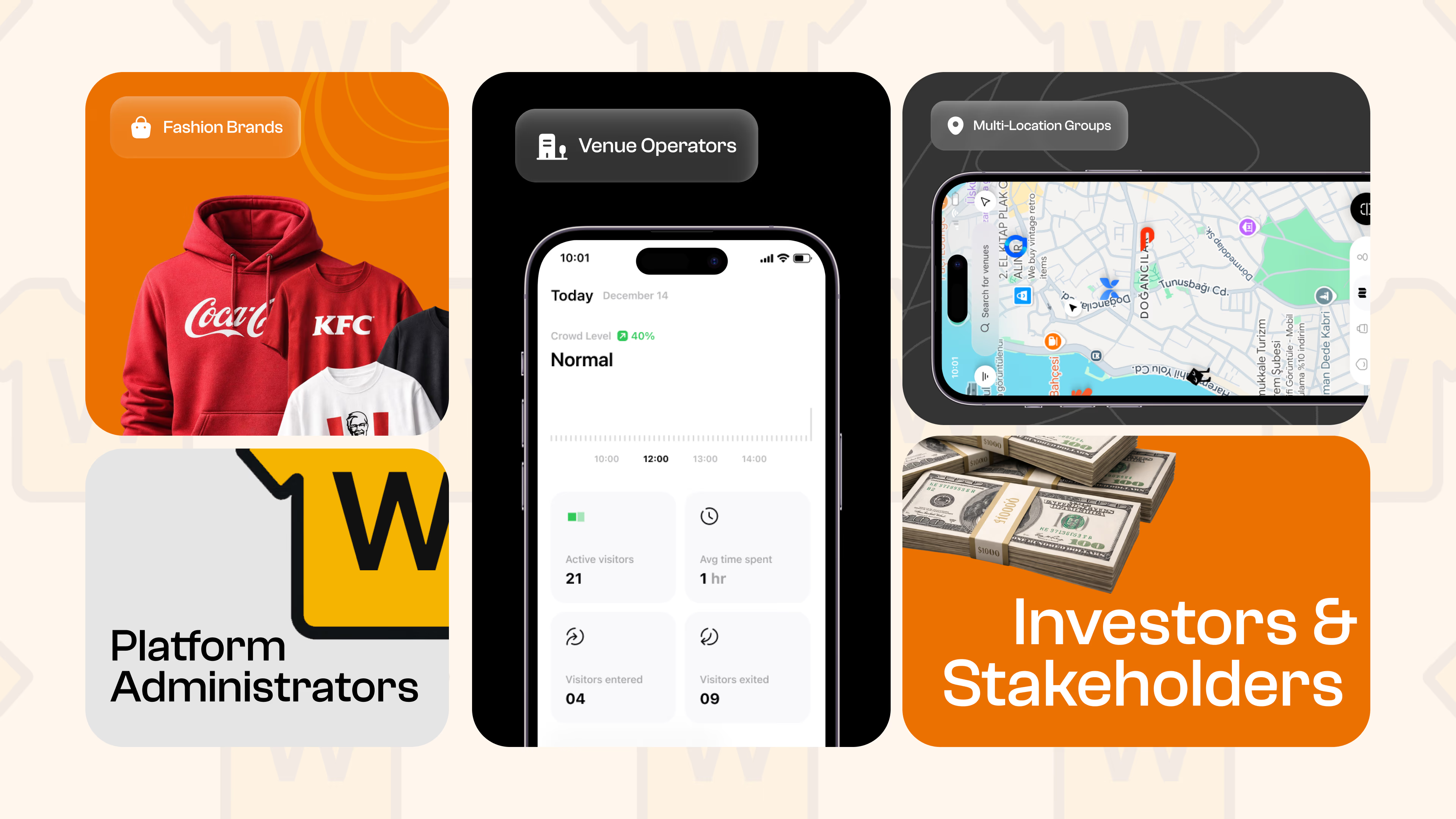
- Fashion Brands – seeking data-driven visibility into how their outfits perform across venues, with tools to manage catalogs, track top products, and analyze visit trends from a single dashboard
- Venue Operators – nightclubs, bars, and event spaces partnering with fashion brands who need tools to track visits, manage discounts, monitor wallet balances, and communicate with brand partners
- Platform Administrators – requiring full governance over brands, venues, users, orders, advertisements, and financial settlements across the entire ecosystem
- Multi-Location Groups – venue operators managing multiple properties who benefit from geolocation-based insights and employee sub-account management
- Investors & Stakeholders – evaluating the platform who need a clear view of cross-platform analytics, settlement tracking, and ecosystem-wide revenue performance
Core Features
Wearnn is built around three role-specific dashboards — Admin, Brand, and Venue — that share the same backend API and design system. Each role sees exactly what is relevant to its operation.
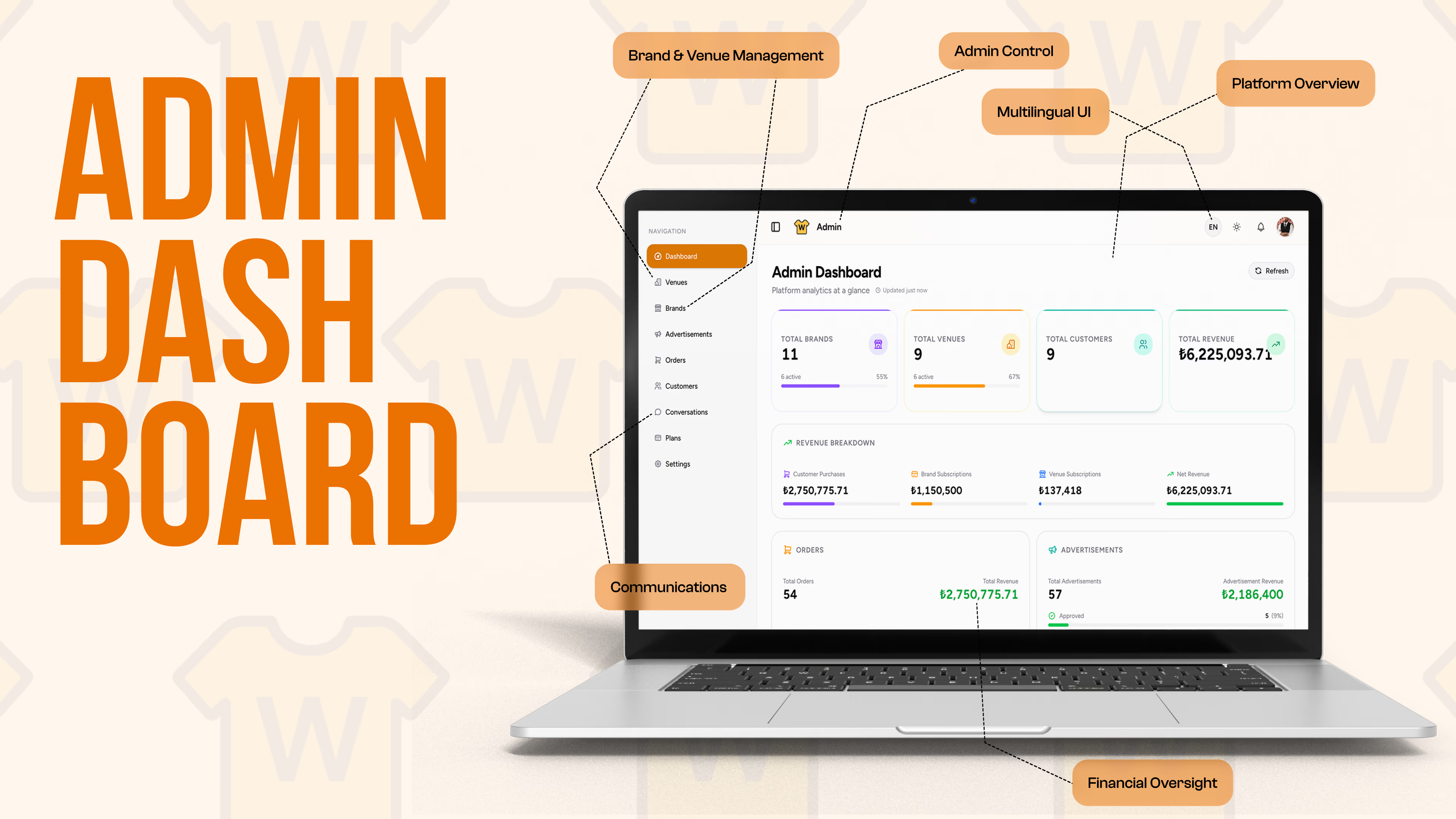
Admin Dashboard
- Platform Overview – overview cards, revenue breakdown, and Nivo-powered bar, line, and pie charts for ecosystem-wide analytics
- Brand & Venue Management – list and detail views for all brands and venues on the platform
- Admin Control – full oversight of user accounts, ad placements, and order records
- Financial Oversight – settlement status tracking across all brand-venue arrangements
- Communications – platform-wide message management between brands, venues, and administrators
- Mapbox Integration – location-based performance and distribution analytics
- Multilingual UI – English and Turkish interface support via next-intl
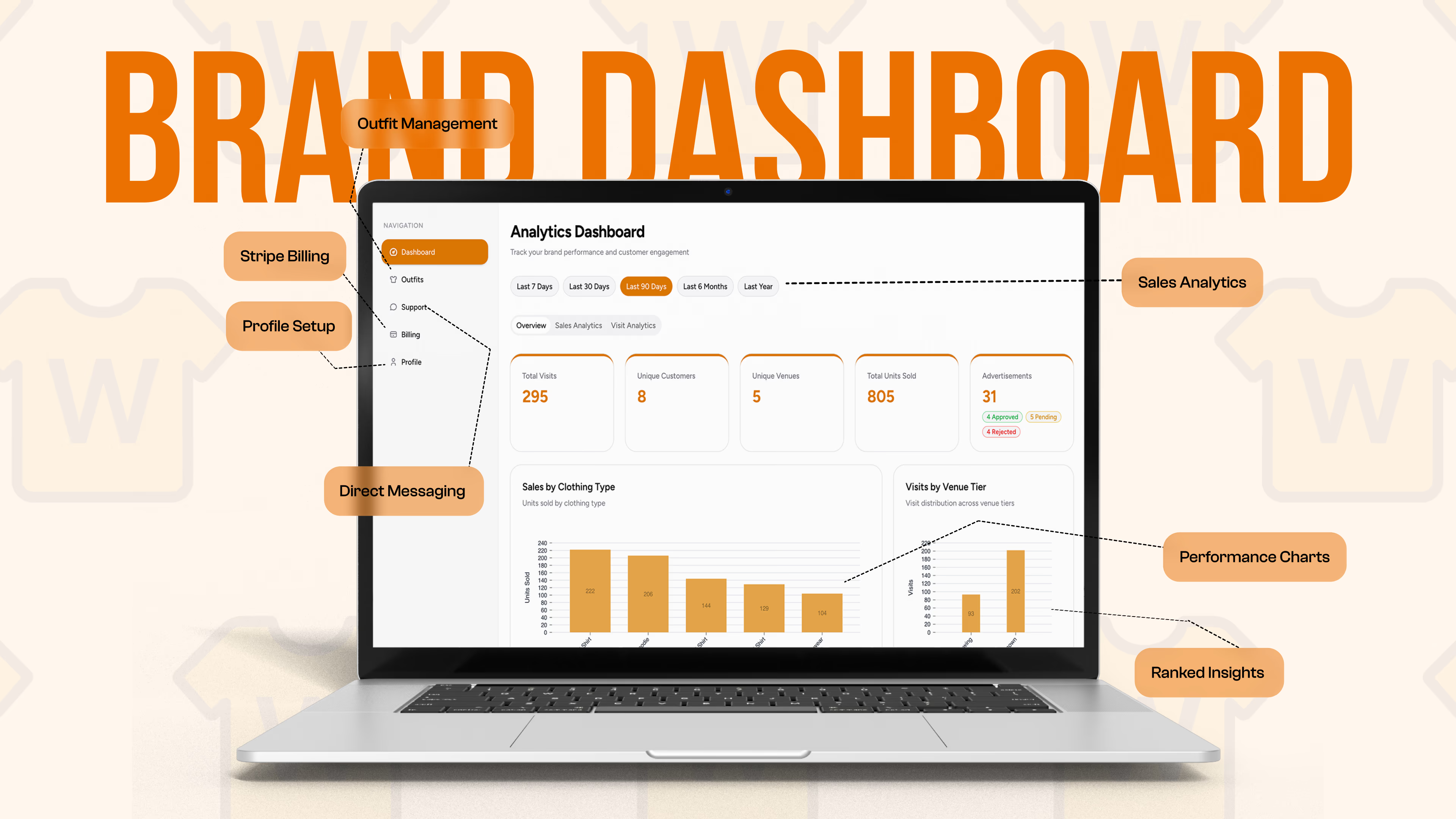
Brand Dashboard
- Sales Analytics – date-filtered data with day, week, and month grouping for trend analysis
- Performance Charts – venue tier distribution and clothing type breakdown showing how outfits perform across venue categories
- Ranked Insights – identifying the highest-value products and venue partnerships
- Outfit Management – advanced UI for creating, viewing, and customizing the brand's catalog
- Stripe Billing – checkout-integrated subscription management and billing controls
- Profile Setup – completion workflow ensuring brand presence is fully configured on the platform
- Direct Messaging – real-time communication with venue partners within the dashboard
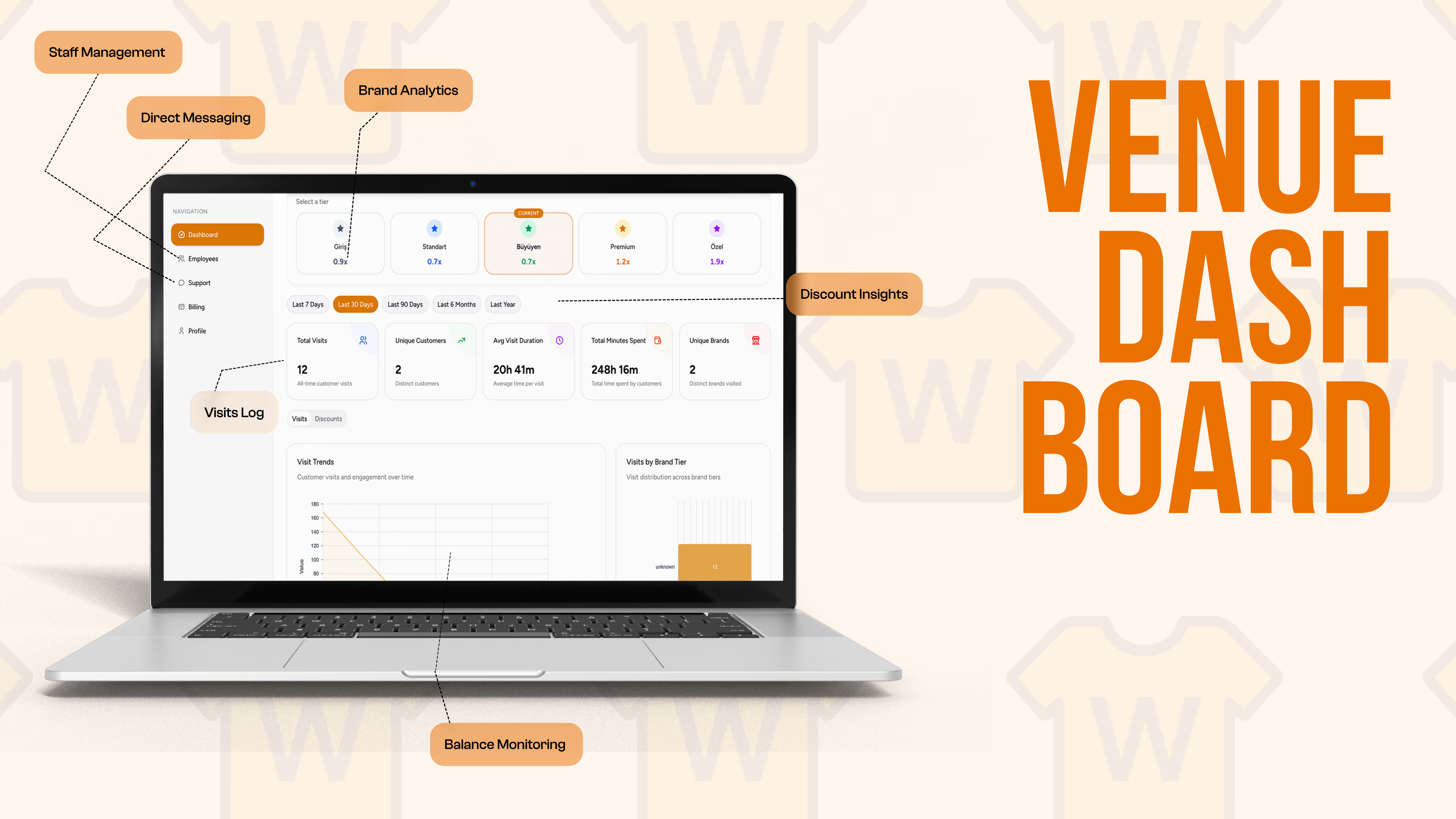
Venue Dashboard
- Brand Analytics – tier distribution charts and visit data with daily, weekly, and monthly filtering
- Discount Insights – time-based performance data for financial planning
- Visits Log – infinite-scroll record for reviewing brand activity at the venue
- Balance Monitoring – financial wallet tracking with multi-currency support
- Staff Management – role-based accounts for venue operators managing multiple team members
- Direct Messaging – real-time communication with brand partners from within the venue dashboard
User Experience and Design
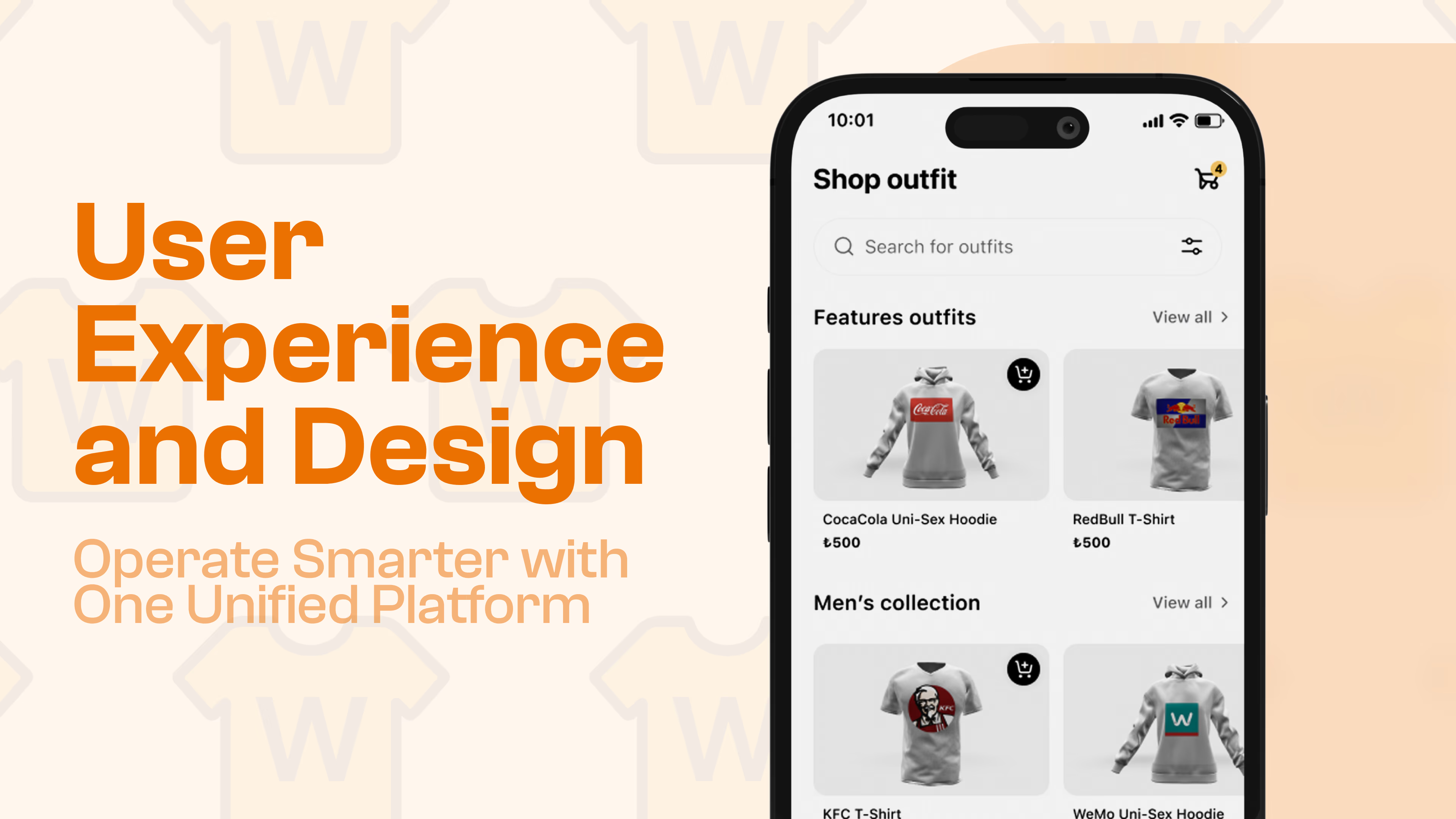
Rather than building separate products for each stakeholder, the unified Web application routes authenticated users into precisely scoped experiences based on their role, ensuring each stakeholder sees only what is relevant to their operation. Nivo bar, line, and pie charts across all three dashboards reflect a platform where analytics are not a reporting add-on but the primary mechanism through which brands and venues understand the value of their partnership. Three.js with React Three Fiber and Framer Motion transitions elevate the visual quality of a B2B platform above the functional-but-flat standard of typical SaaS dashboards, reflecting the fashion industry context the platform serves. Wallet tracking, settlement management, and Stripe billing integration make financial relationships between brands and venues visible and manageable rather than handled through external spreadsheets and invoices. GitHub Actions deployment pipelines with CodeQL security scanning and dependency vulnerability reviews signal a platform built for enterprise procurement requirements.
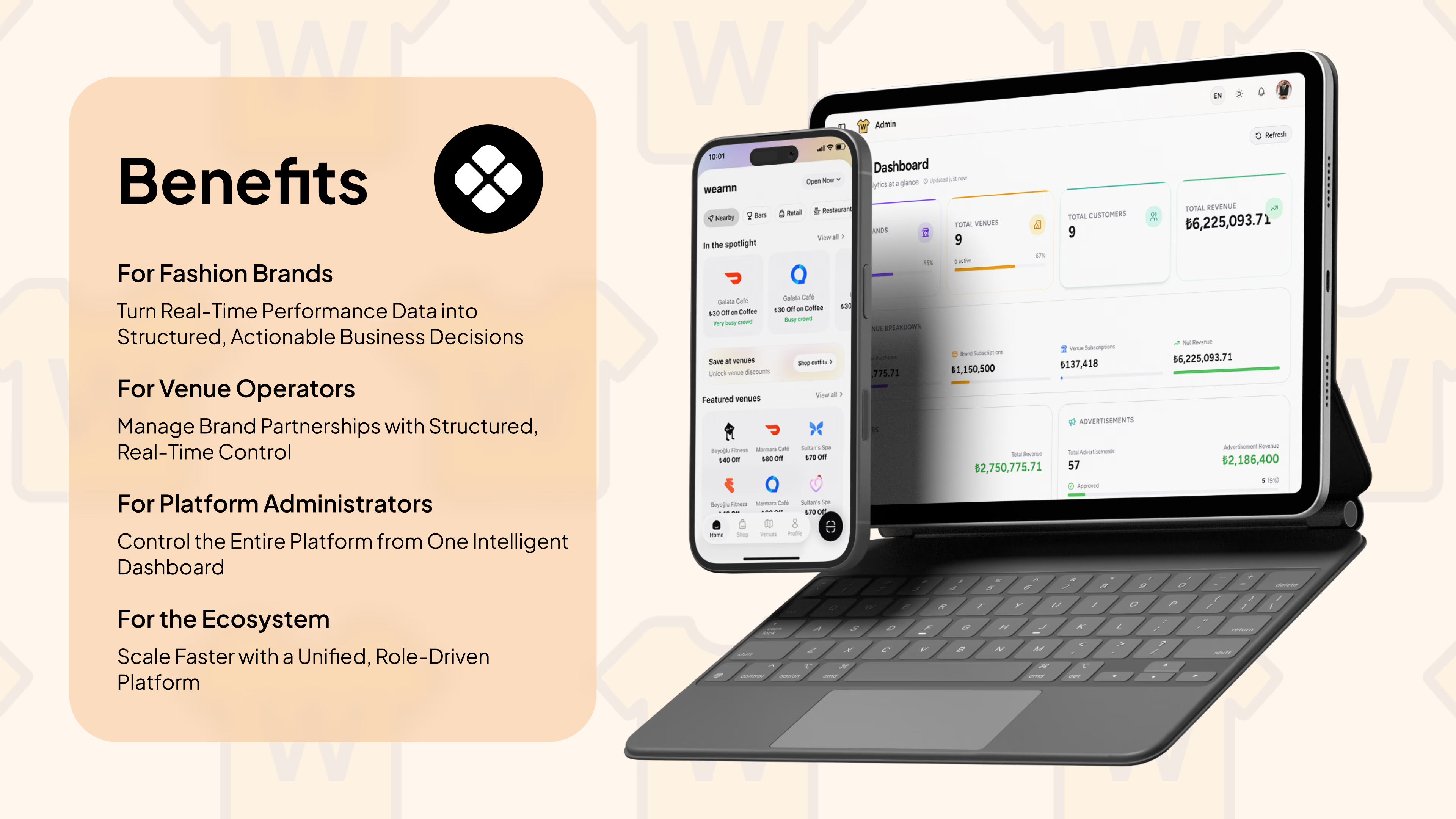
Benefits
For Fashion Brands
Real-time visibility into outfit performance across venues, ranked product and venue analytics, and a managed subscription billing layer replace informal reporting with structured business intelligence.
For Venue Operators
A dedicated dashboard for tracking brand visit activity, monitoring financial settlements, managing staff accounts, and communicating with brand partners replaces ad hoc coordination with a structured partnership management tool.
For Platform Administrators
Full governance across brands, venues, users, orders, advertisements, and settlements from a single dashboard with geolocation-based insights and system-wide analytics.
For the Ecosystem
A unified codebase with shared API, shared component library, and role-based routing means platform improvements propagate across all stakeholder experiences simultaneously, reducing maintenance overhead as the platform scales.
Why Wearnn Stands Out
- Unique Market Position – occupies the relationship layer between fashion brand management and venue operations, the specific underserved space where brands collaborate, measure performance, and settle financially
- Five-App Ecosystem – unified codebase as the source of truth with role-based routing serving three distinct stakeholder types from a shared component library
- Premium Visual Standard – Three.js 3D elements, Framer Motion transitions, and Mapbox GL elevate the spatial quality of the platform beyond typical B2B SaaS
- Enterprise Security – CodeQL security scanning and GitHub Actions CI/CD pipelines built for enterprise procurement requirements
- No Real Competitors – no generic CRM, e-commerce backend, or hospitality platform addresses the brand-venue intersection with the specificity Wearnn brings
Conclusion
Wearnn is the infrastructure layer the fashion-venue partnership model has been missing, formalizing a relationship that has historically operated on informal agreements and manual reporting into a data-driven, financially transparent, multi-stakeholder SaaS platform. With five interconnected Next.js applications sharing a common backend and design system, a unified codebase serving as the development source of truth, Stripe-integrated billing already in place, and a CI/CD pipeline with security scanning suited for enterprise deployment, Wearnn is built to scale its brand and venue network without proportional increases in platform complexity or operational overhead.