CloseCircle
A group expense management platform with rotating payouts, real-time messaging, and automated Stripe payment processing
Introduction
Close Circle is a full-stack web application for managing shared group expenses with built-in payment processing, a rotating payout system, and social features. Built on a Next.js frontend and Node.js/Express backend with MongoDB, the platform allows users to create expense-sharing groups, configure recurring payout schedules, and handle payments through Stripe Connect and PayPal with automated processing via scheduled cron jobs. The platform goes beyond basic expense splitting by introducing a rotating payout model: group members contribute on a recurring schedule, and the accumulated pool distributes to members in turn at configurable intervals. Combined with real-time group chat, friend management, a competitive leaderboard, and two-factor authentication, Close Circle is built for the trust and coordination requirements that come with moving real money through a social group.
Purpose and Vision
Shared expense management tools typically handle bill splitting after the fact. Close Circle is designed for proactive, recurring group financial commitments where members agree to a contribution schedule and the platform handles collection, scheduling, and payout automatically. The mission is to make rotating savings circles and group expense arrangements as structured, transparent, and automated as any fintech product, while preserving the social trust layer that makes these arrangements work in practice.
Target Audience
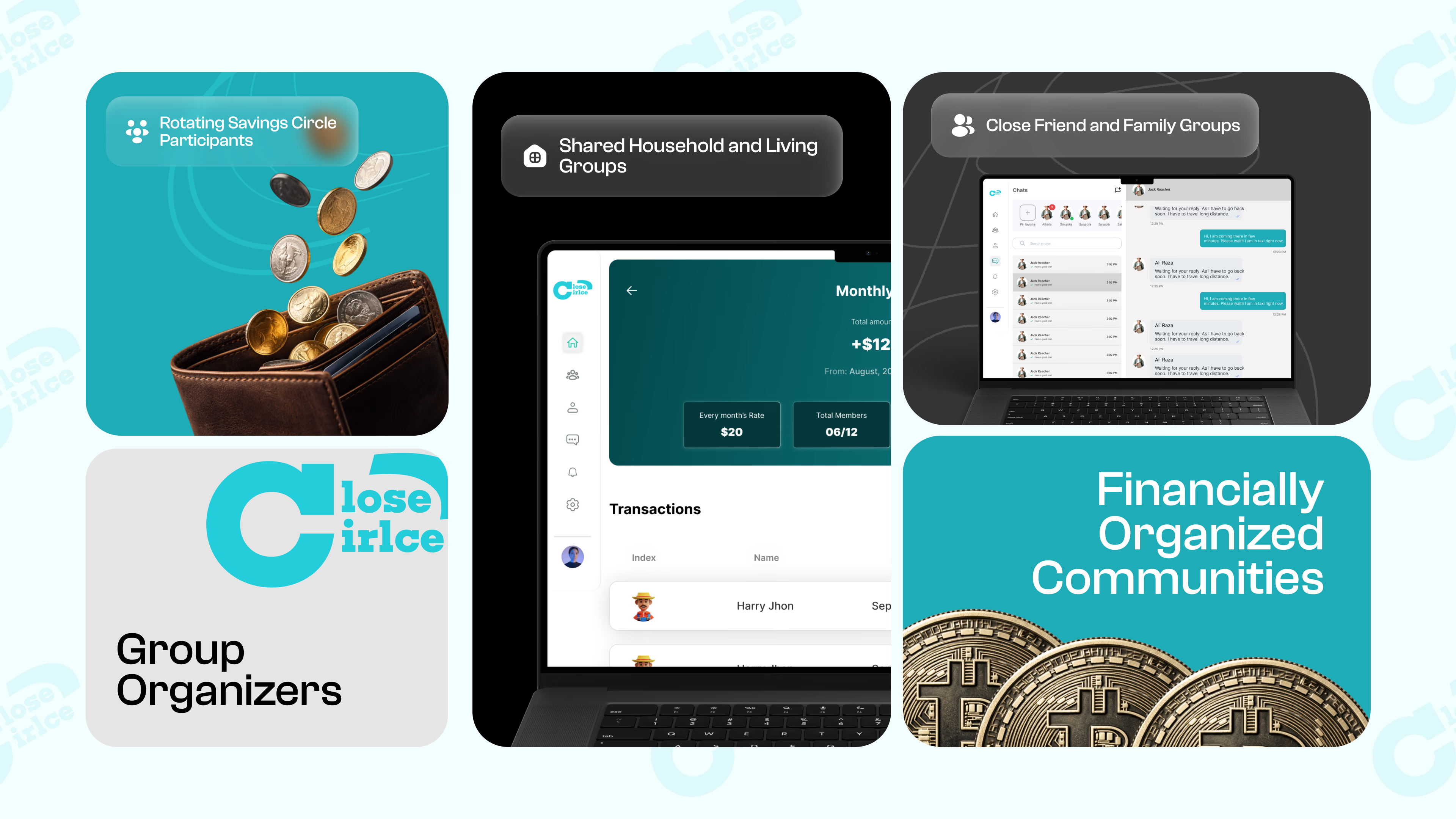
- Rotating Savings Circle Participants – Communities and friend groups that practice traditional rotating savings arrangements (also known as ROSCAs, tandas, or susus) and want a structured digital platform to manage them.
- Shared Household and Living Groups – Roommates and co-living arrangements with recurring shared expenses that benefit from automated scheduling and transparent contribution tracking.
- Close Friend and Family Groups – Trusted social circles managing shared financial goals, group gifts, or pooled spending where social features and trust mechanics matter as much as the financial tooling.
- Group Organizers – Individuals who initiate and manage recurring group financial arrangements and need administrative controls, invite management, and automated payment oversight.
- Financially Organized Communities – Users who want two-factor authentication, encrypted document handling, and bank-grade payment infrastructure for group arrangements that involve real financial commitments.
Core Features
Close Circle is built around a rotating payout engine with automated scheduling, connected to a social layer of friend management, real-time chat, and leaderboards that maintain the trust infrastructure these group financial commitments require.
Group and Payment Management
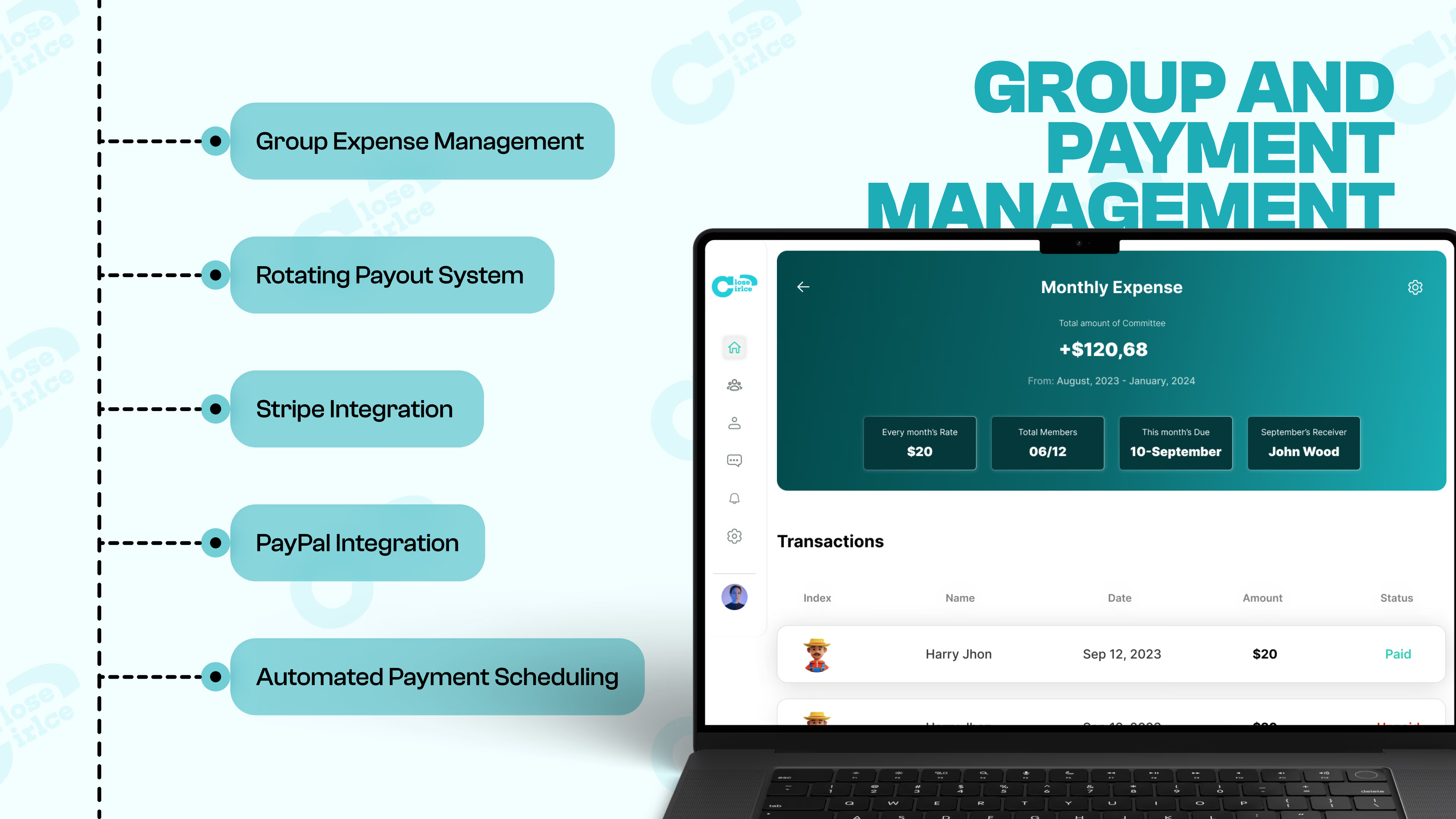
- Group Expense Management – Create expense-sharing groups with monthly contribution amounts, member count configuration, payout interval settings, and auto-generated six-character invite codes.
- Rotating Payout System – Configurable payout schedules where members take turns receiving the pooled amount at defined intervals.
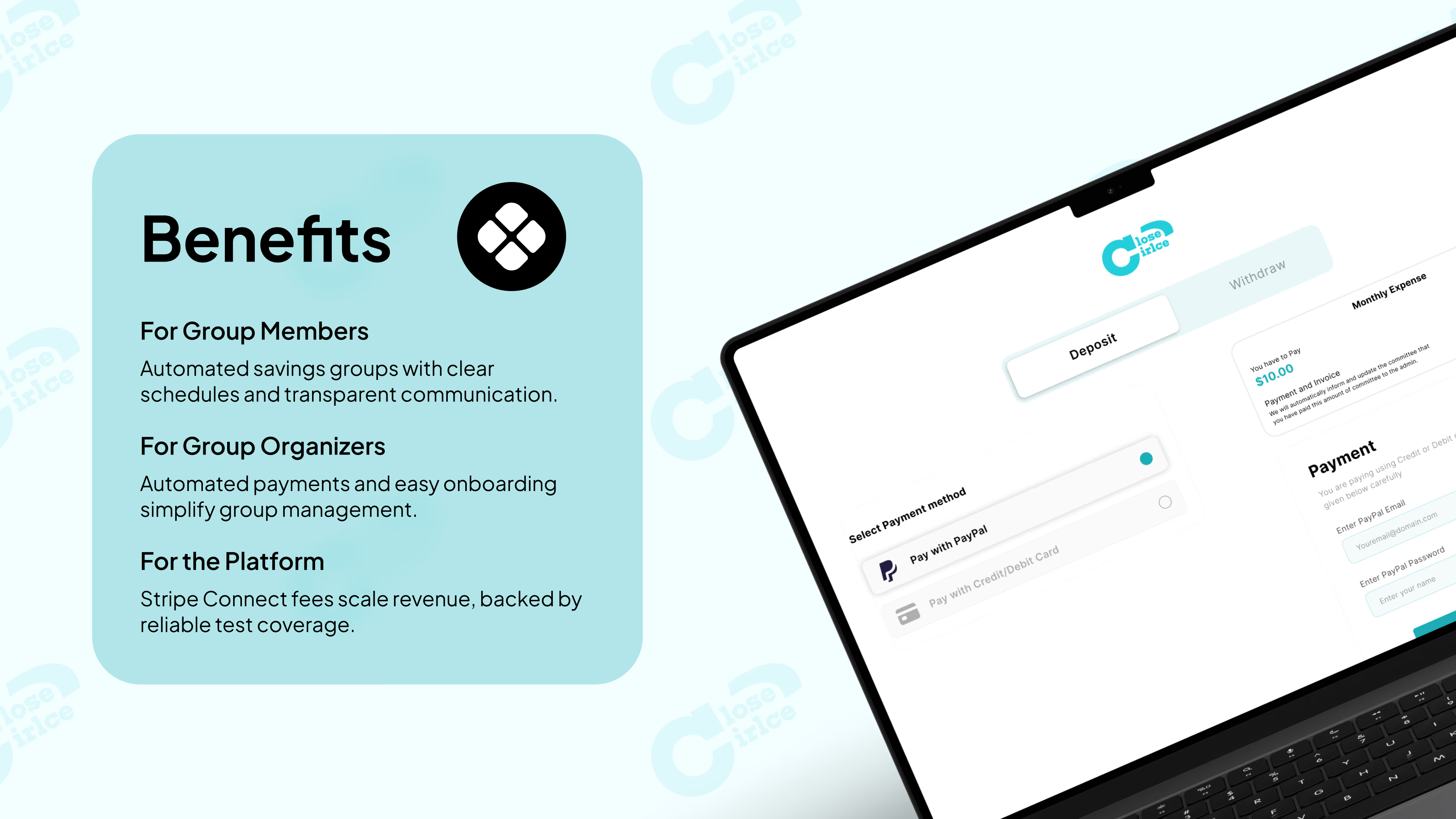
- Stripe Integration – Connected accounts for individual payouts, payment intent creation with application fees, saved payment methods, automatic payment charging on due dates, and bank account withdrawals via Stripe Connect.
- PayPal Integration – PayPal SDK support as an alternative payment and payout method.
- Automated Payment Scheduling – node-cron jobs process payments automatically at scheduled payout dates without requiring manual intervention.
Social and Communication Features
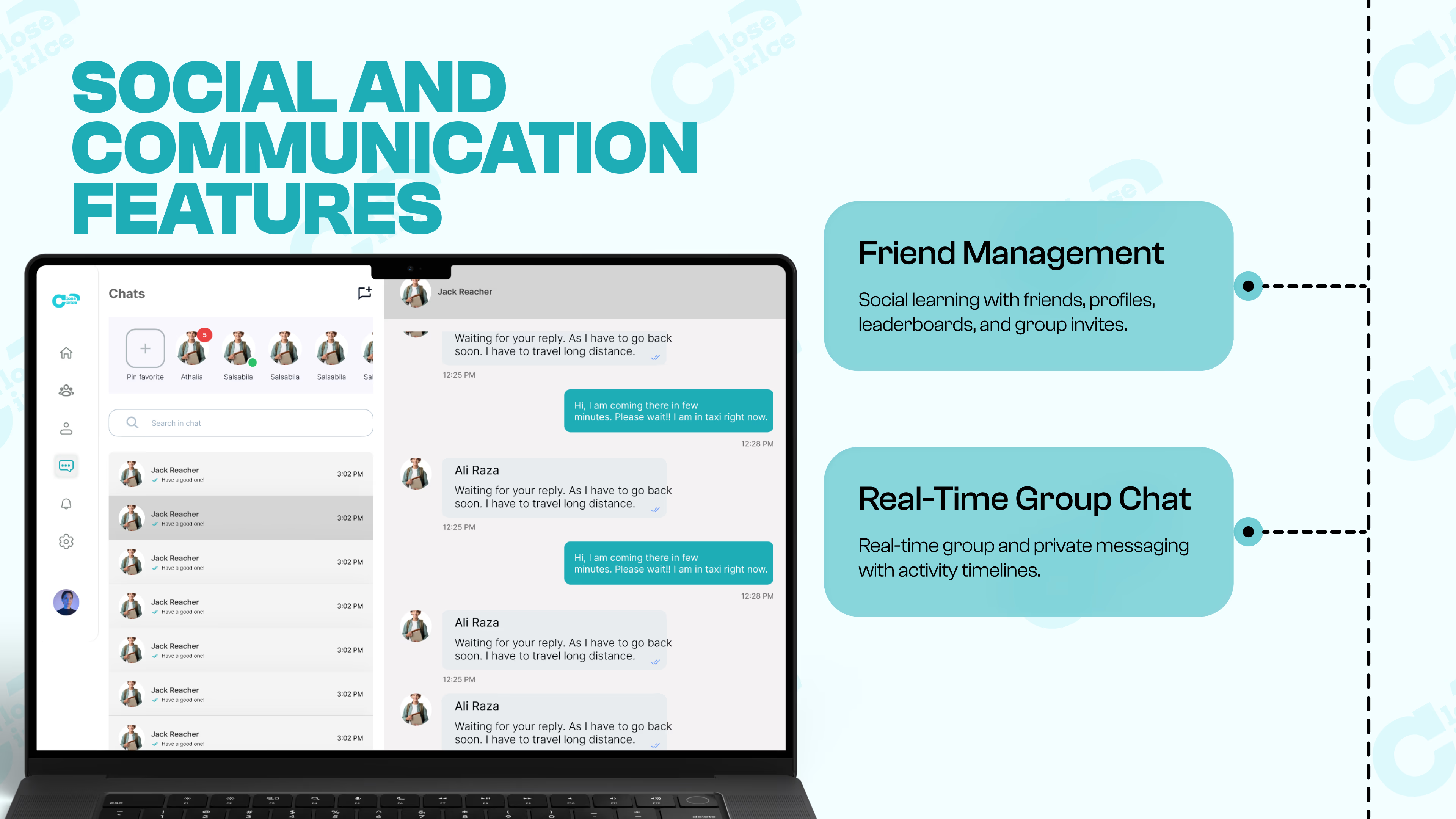
- Friend Management – Friend discovery with search, friend requests, public profile viewing, a competitive leaderboard, and group invite via share link.
- Real-Time Group Chat – Socket.IO-powered messaging within groups and private messaging between members, with a group activity timeline.
Security and Onboarding
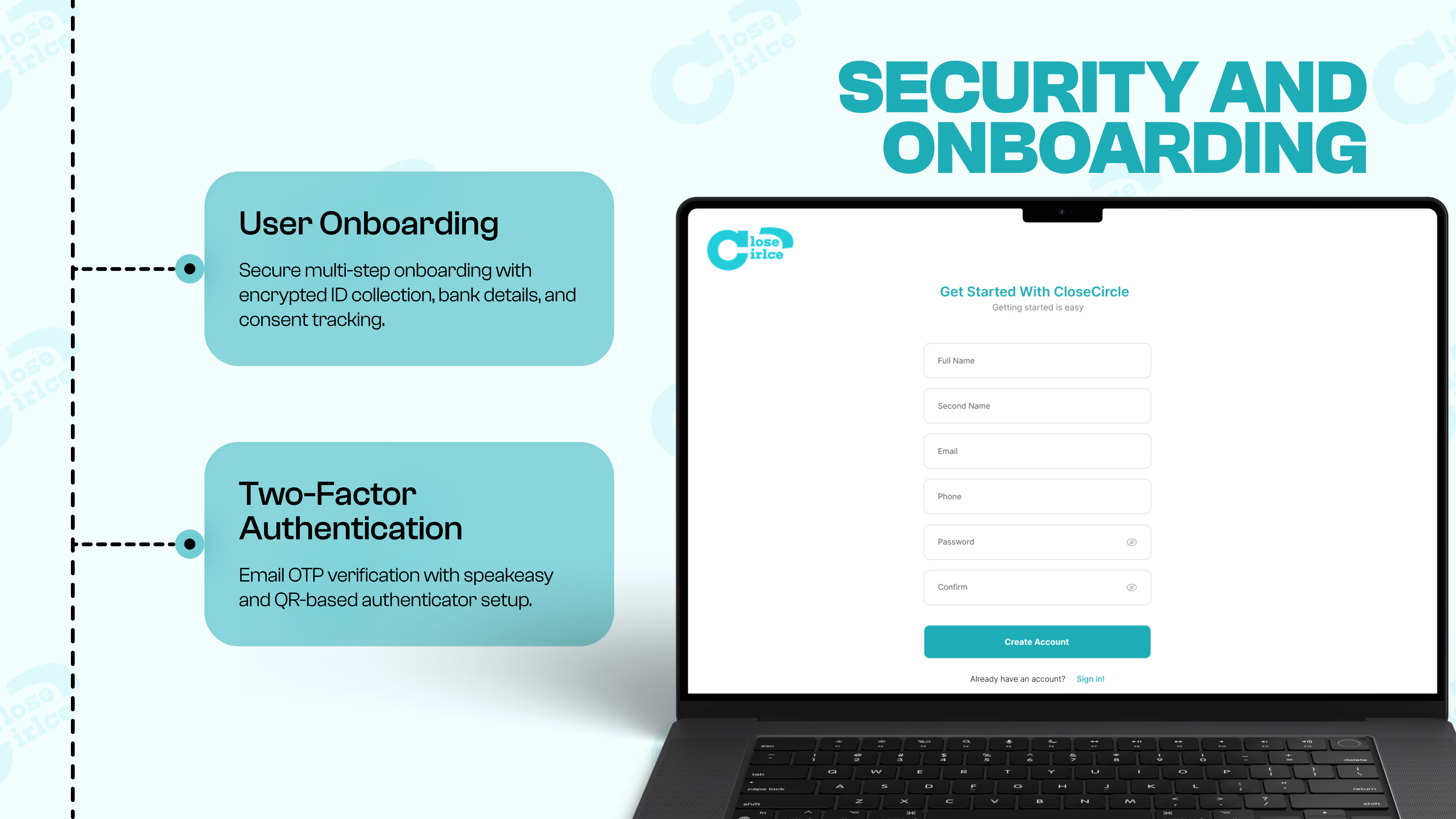
- User Onboarding – Multi-step profile completion with government ID collection (encrypted), bank detail capture, and privacy consent tracking.
- Two-Factor Authentication – OTP verification via email using speakeasy with QR code generation for authenticator app setup.
User Experience and Design
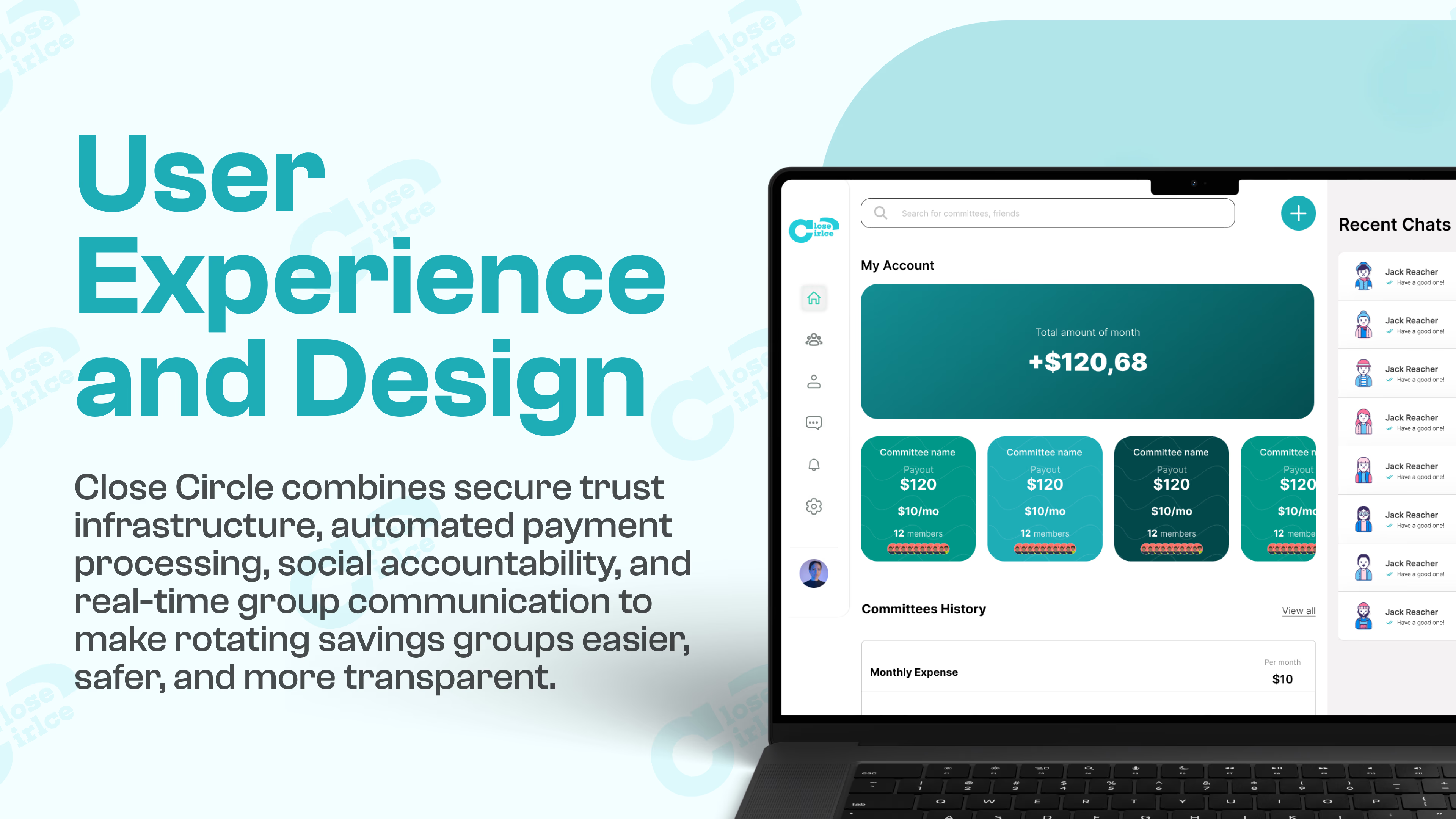
Trust Infrastructure as a Feature – Encrypted government ID storage, two-factor authentication, and Stripe Connect's identity verification layer exist because group financial arrangements require a higher trust baseline than standard expense apps. Close Circle makes that infrastructure visible and reassuring rather than hidden. Automation Reducing Administrative Friction – Automated cron-based payment processing removes the most common failure point in rotating savings arrangements: the organizer having to manually chase and process payments on schedule. Social Features Reinforcing Financial Accountability – The leaderboard, friend system, and group chat are not decorative additions. In group financial arrangements, social visibility and communication are accountability mechanisms, not entertainment. Real-Time Communication Within Financial Context – Socket.IO group chat and activity timelines keep payment events, member actions, and group updates in a shared, transparent feed that all members can reference.
Benefits
For Group Members
A structured, automated platform that replaces informal rotating savings arrangements with transparent scheduling, real payment processing, and a communication layer that keeps everyone informed.
For Group Organizers
Automated payment collection and payout scheduling removes the operational burden of manually managing recurring group financial commitments, with invite codes and member management reducing onboarding friction.
For the Platform
Stripe Connect application fees on payment intents provide a built-in revenue model that scales directly with group payment volume, and Jest and Supertest test coverage provides the confidence baseline needed for a platform handling real financial transactions.
Why CloseCircle Stands Out
- Generic expense splitting apps handle receipts and IOUs. Close Circle is built for recurring, trust-based group financial commitments where automation, identity verification, and real payment infrastructure are not optional features but core requirements. The rotating payout model, Stripe Connect integration with application fees, encrypted government ID handling, and two-factor authentication together produce a platform with the structural rigor that informal rotating savings arrangements have always lacked.
- The full-stack architecture reflects that ambition: a Next.js frontend with Socket.IO real-time messaging, a Node.js/Express backend with MongoDB, Stripe Connect for split payment flows, node-cron for automated scheduling, and Jest and Supertest for backend test coverage form a production-grade foundation for a fintech-adjacent social platform.
Conclusion
Close Circle is a fintech-grade group financial platform built for the recurring, trust-dependent expense arrangements that generic splitting tools were never designed to handle. Rotating payouts, automated Stripe processing, encrypted identity documents, and real-time group communication combine into a platform that gives informal financial arrangements the structure and reliability of a formal financial product. With a Stripe Connect revenue model that scales with payment volume, Socket.IO real-time infrastructure already in place, and a full security stack including 2FA and encrypted document storage, Close Circle is built to support larger groups, higher payment volumes, and additional financial arrangement types without architectural rework.